I stood at the bathroom mirror this morning pressing a cool washcloth to my cheeks — another flare, just getting started. If you know rosacea, you know that look: face flushed red while the rest of you feels fine. It’s been fourteen years since I got my diagnosis, and these days I can actually predict what sets me off. Here is everything I do when rosacea flares up, what failed me along the way, and the simple routine that keeps things calm now.
To be clear: I’m not a dermatologist. I’m someone who reads labels, tests products on my own skin, and has bought enough serums to know better than most of my friends. What works for me may not work for you — but I hope this saves you some trial and error.
This post contains affiliate links. If you shop through them, I earn a small commission at no extra cost to you.
The Quick Answer
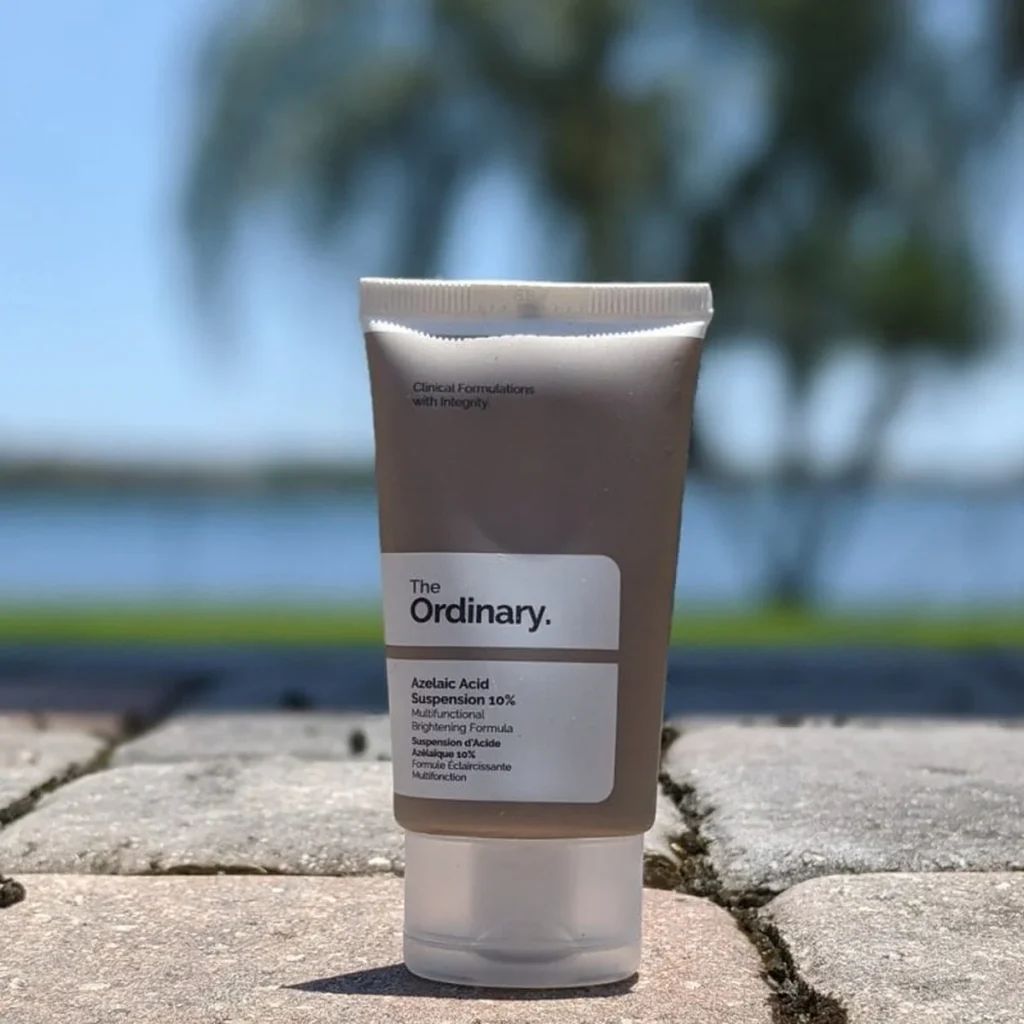
When my rosacea flares up, I reach for The Ordinary Azelaic Acid 10% Suspension — same product I’ve relied on for over six years. For daily prevention, a three-step barrier-focused Asian skincare routine has done more for me than anything else: TIRTIR Milk Skin Toner, ILLIYOON Ceramide Ato Concentrate Cream, and Canmake Mermaid Skin Gel UV SPF 50+. IPL laser treatments eliminated my worst trigger. The rest is about knowing your personal triggers and protecting your skin barrier.
What Is Rosacea?
Rosacea is a chronic skin condition that causes persistent redness, often with small pus-filled bumps similar to acne. It mostly affects women with fair skin, though men get it too. More than 16 million Americans live with it, and an estimated 415 million people worldwide, according to the National Rosacea Society. You’ll need a dermatologist for the diagnosis, since it can last years or be lifelong.
I’ve likely had rosacea since I was around 15 — that’s when my face started turning red all the time. Back then I caked powder foundation on to hide it. When I went makeup-free, my family would ask if I was sick because a flushed face makes me look ill from the outside. I became very self-conscious showing my bare face. It affected my confidence more than I realized at the time.
I was officially diagnosed in August 2012. Getting a name for what was happening to my skin was the first step toward getting it under control.
What Does Rosacea Look Like?
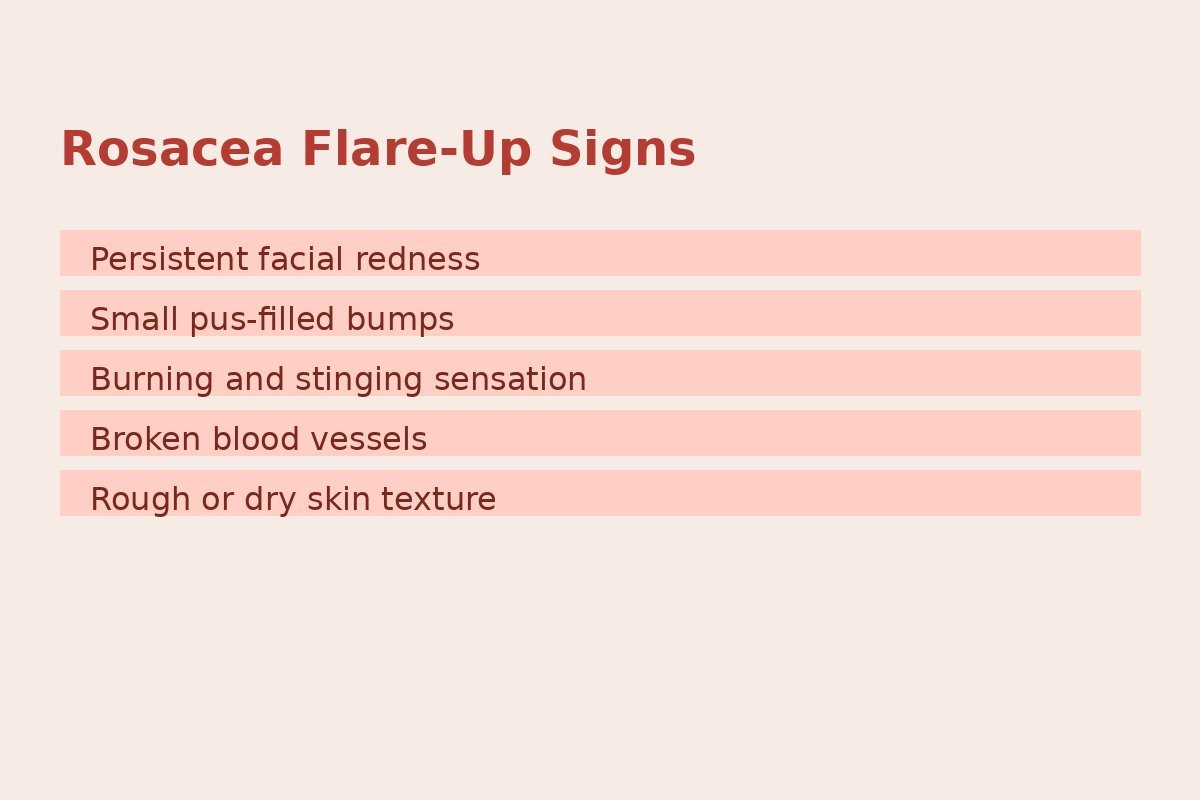
You’ll often see broken blood vessels on the face. During a flare, your skin can sting and burn like it’s on fire or suffering from the worst sunburn you’ve ever had. Sometimes you get rough, dry skin — though I blame some of that on prescription medications. Other signs include larger pores, broken blood vessels in the eyes, bumps on eyelids, or redness concentrated on the nose.
During a flare in April 2020, my cheeks were flushed red, my nose was red, my chin pink, and my forehead matched. What you can’t tell from a photo is that my face burns and actually hurts during a flare.
What Causes Rosacea?
Doctors don’t know exactly what causes it — though they have theories involving gut bacteria, skin mites, sun damage, or genetics.
In my case, I have Irish ancestry and rosacea is often called the Curse of the Celts. I also had significant childhood sun damage: around age 12, I fell asleep next to a pool and ended up with second-degree burns that needed medical treatment. Those early sunburns really do take their toll.
My Daily Rosacea Skincare Routine
The best thing for my skin in recent years has been adding Asian skincare into my daily routine. K-beauty and J-beauty focus on gentle, hydrating, barrier-supporting formulas rather than harsh actives — exactly what reactive, rosacea-prone skin needs.
My routine is just three steps:
Step 1: TIRTIR Milk Skin Toner
A gentle milky hydrating toner that preps my skin without sting or tightness. No fragrance burn, no irritation — just softness.
Step 2: ILLIYOON Ceramide Ato Concentrate Cream
This Korean ceramide cream is designed for very sensitive, dry skin, and the jumbo size lasts forever. Ceramides help repair and maintain the skin barrier, and a healthy barrier means fewer flares for me.
Step 3: Canmake Mermaid Skin Gel UV SPF 50+ PA++++
Sun is one of the most common rosacea triggers, so daily SPF is non-negotiable. This Japanese gel sunscreen is lightweight, doesn’t sting my sensitive skin, and leaves no white cast on very fair skin. I wear it every day whether or not I’m wearing makeup — I never rely on SPF in makeup alone to protect my skin.
Supporting Products
I keep two products on hand for specific situations. For acne or painful flares, which are rare now, I use The Ordinary Azelaic Acid Suspension 10%. When my skin feels sensitive after prescription adapalene, CosRX Advanced Snail 96 Mucin Power Essence soothes and hydrates it.
How I Handle a Flare
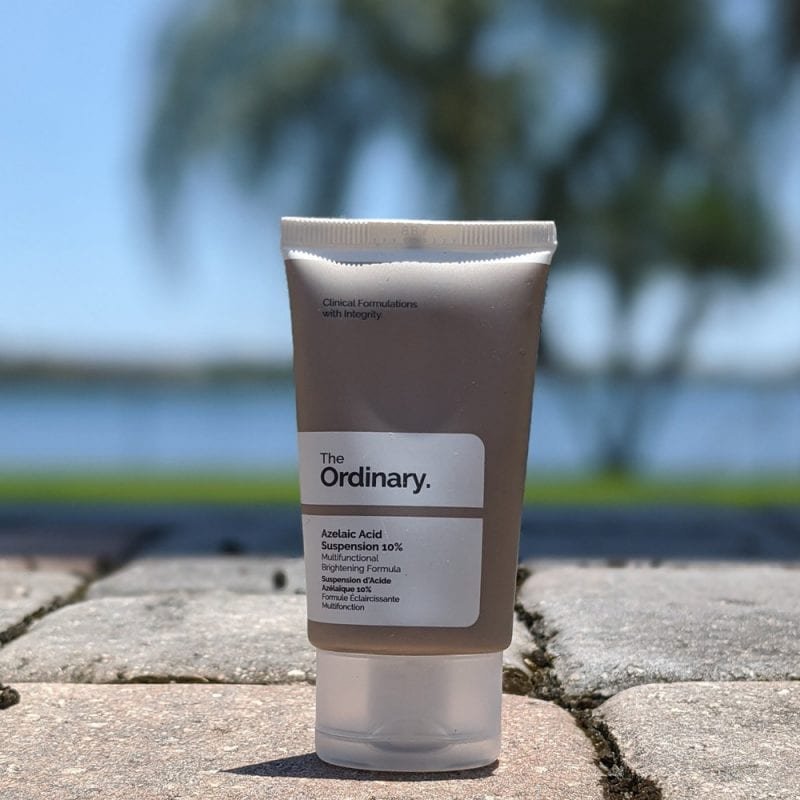
The Ordinary Azelaic Acid Suspension 10% is still my number one product for rosacea flares. I’ve been using it for over six years now, and it costs around $10. During a flare I use it daily; when my skin is calm, I reach for it as needed.
It’s remarkable how well this inexpensive product works compared to the $75–$250 prescription rosacea products I’ve tried in the past. My friend Cin — who was the first to suspect I had rosacea back in 2008–2009 — suggested it, and she still shares her tips with me regularly.
The Ordinary doesn’t market this specifically as a rosacea treatment, but azelaic acid is on the list of FDA-approved treatments for the condition. The formula has no alcohol, oil, nuts, gluten, parabens, or sulfates. It’s also cruelty-free and vegan.
My Rosacea Triggers
They vary from person to person, but here is my list:
- Foods: paprika, bell peppers, raw garlic, green tomatoes, eggplant (most nightshades), soy
- Alcohol
- Extreme temperatures — hot humid weather and freezing cold with biting winds both flare me up
- Extended time in hot tubs or hot baths
- Fragrance in skincare and makeup (lavender oil is a big one for me)
- Working out — though IPL laser treatments fixed this biggest trigger
I keep a journal to track my flares. I strongly recommend you do the same. Once you know your triggers, avoiding them makes all the difference.
Treatment Options
The FDA has approved Ivermectin, Azelaic Acid, Brimonidine, Metronidazole, and Sulfacetamide for rosacea treatment. Oral options include Oracea (an antibiotic), and Mirvaso can minimize visible redness.
I’ve tried several prescription medications:
- Aczone — left me with permanently dry skin
- Metrogel — seemed to make my skin thin, so I discontinued it
- Oracea pills — great results daily, but when insurance stopped covering the brand name the generic didn’t work, and I wasn’t willing to pay $250 a month out of pocket
- Mirvaso — worked sporadically. Fine for 12 hours, then my skin bounced back with a flare. You can’t use it twice within 24 hours, so I stopped.
IPL Treatment for Rosacea
I used to get a painful rosacea flare every single time I worked out. Since exercise matters to me, I got seven IPL laser treatments on my face in 2014–2015.
They hurt — like hell. They put protective metal goggles over your eyes and zap you with a laser across every inch of your skin. I’m Skin Type 1 on the Fitzpatrick scale, so it feels like they’re snapping a rubber band against my face over and over again. But I’d rather go through IPL than endure another flare.
After those seven treatments, my flares became few and far between. IPL removed most of the surface redness. I still have some pink tones, but nothing like before. Adding up the costs, all seven IPL treatments were cheaper overall than the medications that failed me — more effective and less expensive in the long run.
I wish my first dermatologist had mentioned IPL on day one. That doctor only offered topical or oral treatments, and the topicals really damaged my skin. A second dermatologist recommended IPL, and I was furious the first hadn’t brought it up.
Rosacea and Makeup
Finding makeup that covers redness without triggering a flare took me years. For foundation, I always match to my neck and chest rather than my face — because my face runs redder than the rest of me.
The Laura Geller Baked Balance-n-Brighten holds the National Rosacea Society Seal of Acceptance, and its color-correcting pigments genuinely neutralize redness. My favorite daily complexion product is the LYS Triple Fix Skin Tint Stick. Fragrance-free is non-negotiable for me in both skincare and makeup.
FAQ
Related Reads
- IT Cosmetics Do It All Sheer Face Tint Balm Review
- RoC Hydra+ Hyaluronic Serum Stick Review
- The Beauty Products I Pack for Long Haul Flights
Is there a cure for rosacea?
No, there is currently no cure. Flares can absolutely be managed — you just need to know your triggers and have a routine that calms them down.
Can rosacea affect the eyes?
Yes, it can. That’s one of the reasons you should get regular eye exams for overall health.
Can rosacea be painful?
Yes — very painful during a flare. I’ve had people who couldn’t understand why redness hurts, but anyone with rosacea knows that burning sensation well.
Is it rosacea or seborrheic dermatitis?
You need a dermatologist to tell for sure. I happen to have both: rosacea on my face and seborrheic dermatitis between my eyebrows and on my scalp. I treat the latter with a medicated shampoo, and it flares when my allergies are bad.
Is Asian skincare good for rosacea?
In my experience, yes. The philosophy of gentle, fragrance-conscious, barrier-supporting hydration has been the best thing I’ve added to my routine in years. My skin is calmer with TIRTIR, ILLIYOON, and Canmake than it ever was with harsher Western actives.
What’s the fastest way to calm a rosacea flare?
Stop all actives and exfoliants. Stick to your gentle barrier routine. Use azelaic acid daily during the flare. Avoid your known triggers. Be patient — everyone’s skin is different.
Does azelaic acid help rosacea?
Azelaic acid is on the FDA’s list of approved rosacea treatments, and prescription-strength versions exist. The 10% over-the-counter suspension from The Ordinary works better for me than any topical prescription I tried.
The Glow Ritual
When your face is flaring: Press a cool damp washcloth to your cheeks and nose for 30 seconds before applying anything. It takes less time than pouring your morning coffee, but it calms the heat enough that your first product won’t sting.
A Note from Johnson
Fourteen years after diagnosis, my rosacea is more controlled than ever. The formula turned out to be simpler than I expected: IPL for the deep redness, a gentle barrier-first routine every day, azelaic acid when flares hit, and knowing your triggers before they know you.
Glow is a habit, not a product.